Projects

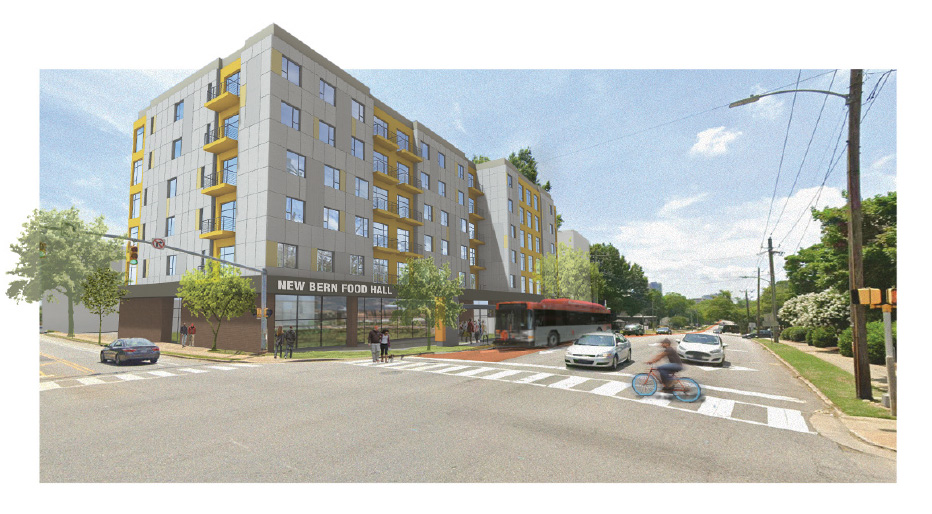
This studio will focus on innovative approaches to affordable housing with a particular emphasis on multifamily housing. The studio will focus on research and design of innovative housing for neighborhoods in Raleigh served by transit or located on the planned Bus Rapid Transit (BRT) line. Read more
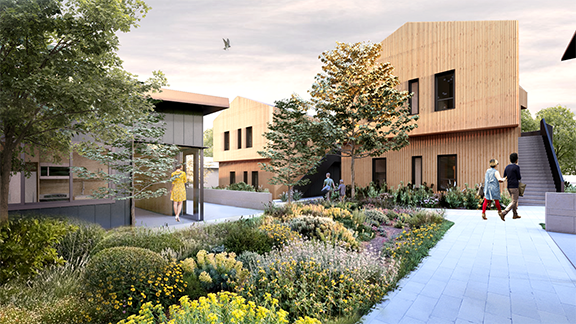
The “missing” in missing middle housing refers to the fact that zoning laws typically prohibit this type of housing. It includes historic housing types that provide choices between single family houses and large apartment buildings including duplexes, triplexes, quads, townhouses, multiplexes, cottage courts, live work and shop houses, and accessory Read more
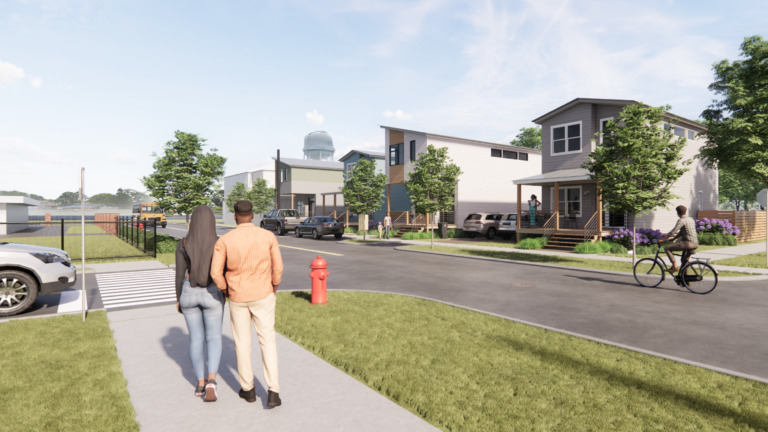
The Affordable and Resilient Housing for New Bern Project focused on the design of affordable and resilient housing prototypes for Duffyfield. During Spring Semester 2022 eleven students in an advanced architectural design studio produced research and visualized housing solutions for rebuilding housing in the community. Read more
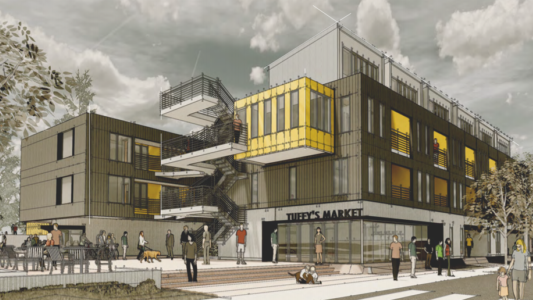
During the fall semester of 2019, eleven advanced architecture students conducted research on innovative university and multifamily housing and designed demonstration projects for two university-owned campus sites, which include a range of unit types, community spaces, and supportive services. Read more
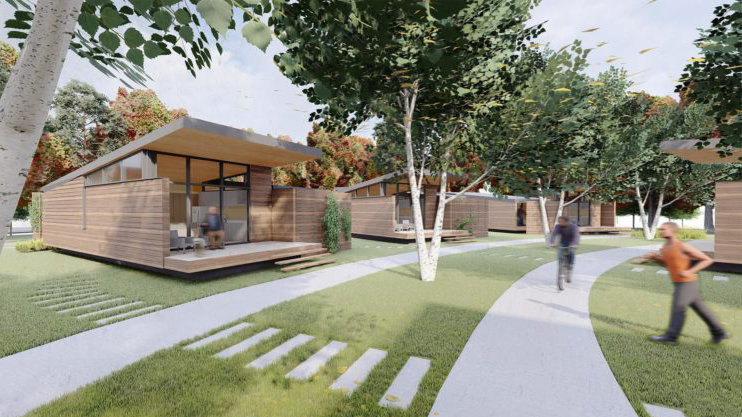
The Micro Housing for Homeless + Disabled Veterans was a research and design project conducted by the School of Architecture, NC State University and sponsored by the North Carolina Coalition to End Homelessness. Read more
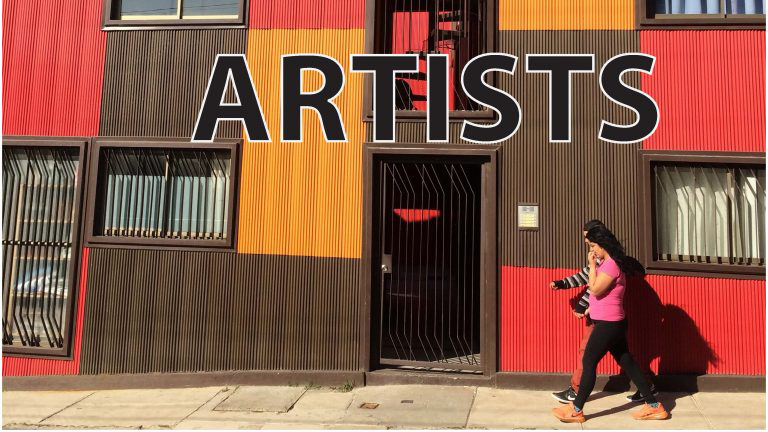
The Homes for Artists Project was a research and design project conducted by the School of Architecture at NC State University, in partnership with the Visual Art Exchange, to investigate the housing needs of Raleigh’s artists and creative communities.  Read more
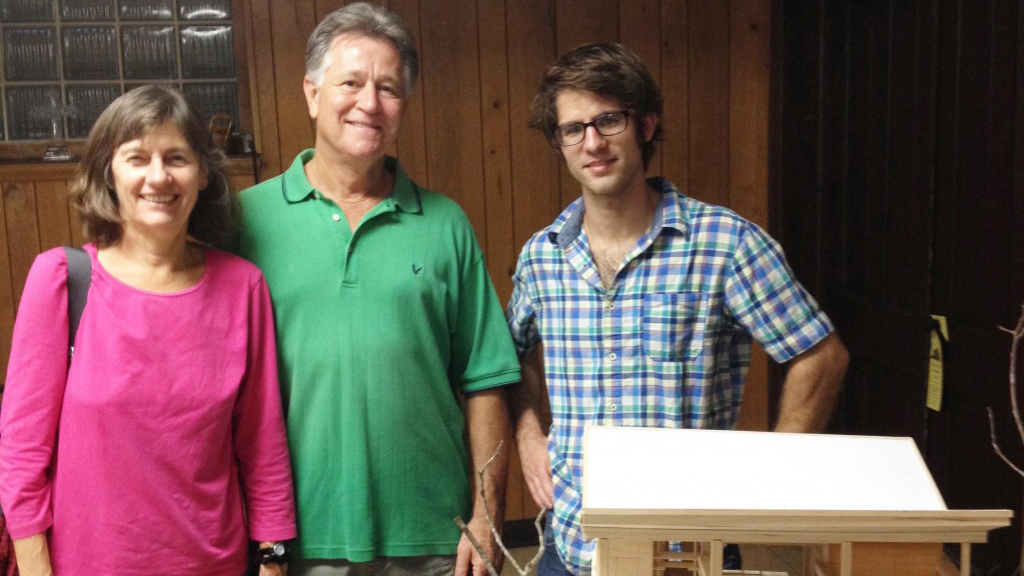
Faculty and students worked collaboratively with residents of the Mordecai community to envision a range of possibilities for backyard cottages and conducted research on national precedents, current city codes and potential benefits and impacts. Read more
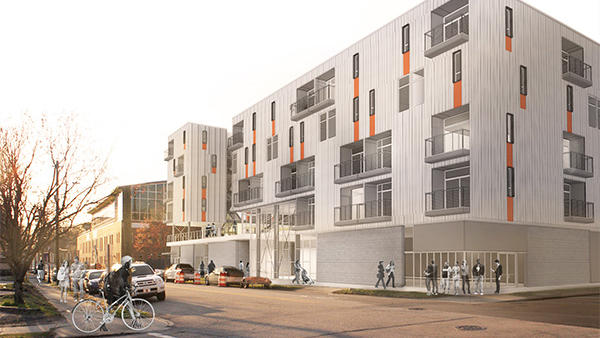
This studio researched, investigated and designed multifamily affordable housing in the context of cultural, economic and environmental sustainability. The research included precedents of contemporary affordable housing, and theoretical readings focused on the cultural contexts of housing and sustainable and social practices. Read more
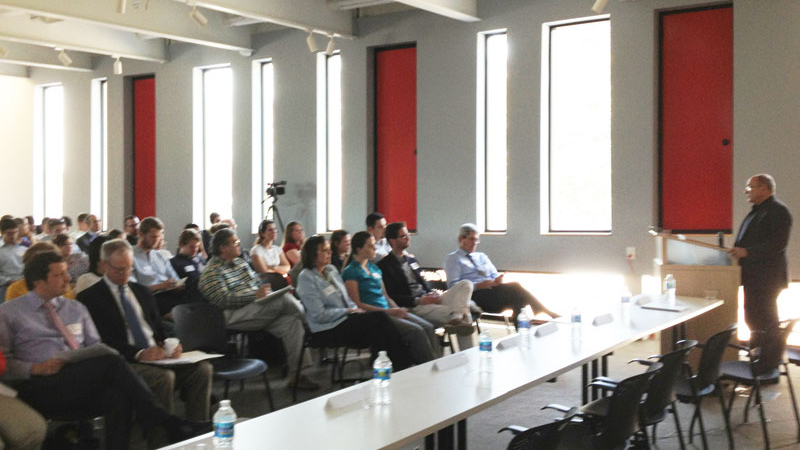
This interactive presentation and panel discussion focused on the full spectrum of issues that constitute affordability (including but going beyond subsidy programs) with a specific focus on the needs, challenges and opportunities of the Triangle area. Read more
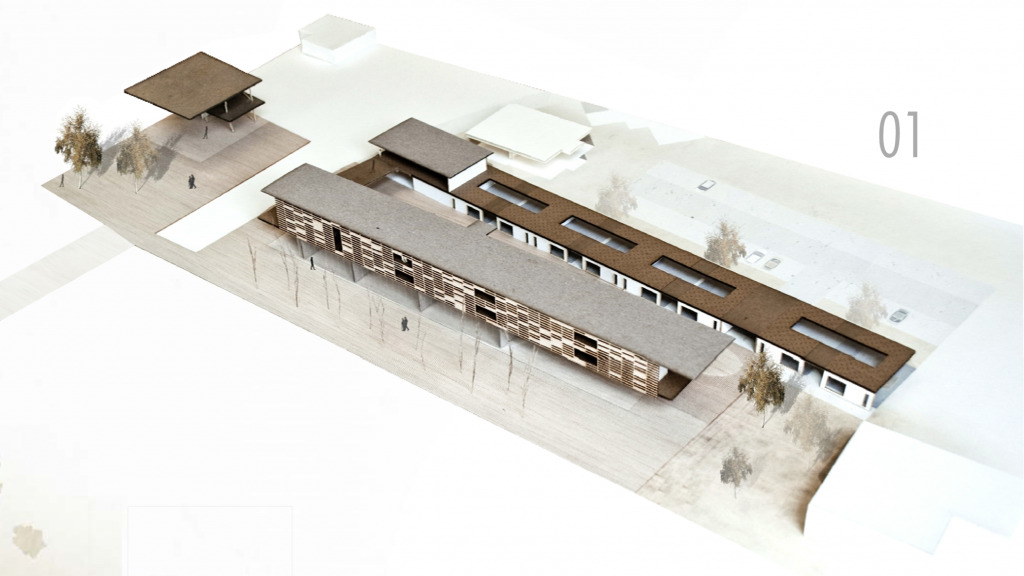
The Person Street Project was a research and design project conducted by faculty and senior students from the School of Architecture at NC State University fall semester 2011. The studio incorporated contemporary urban design issues with a particular emphasis on mixed-use, pedestrian-scaled urban villages. Read more
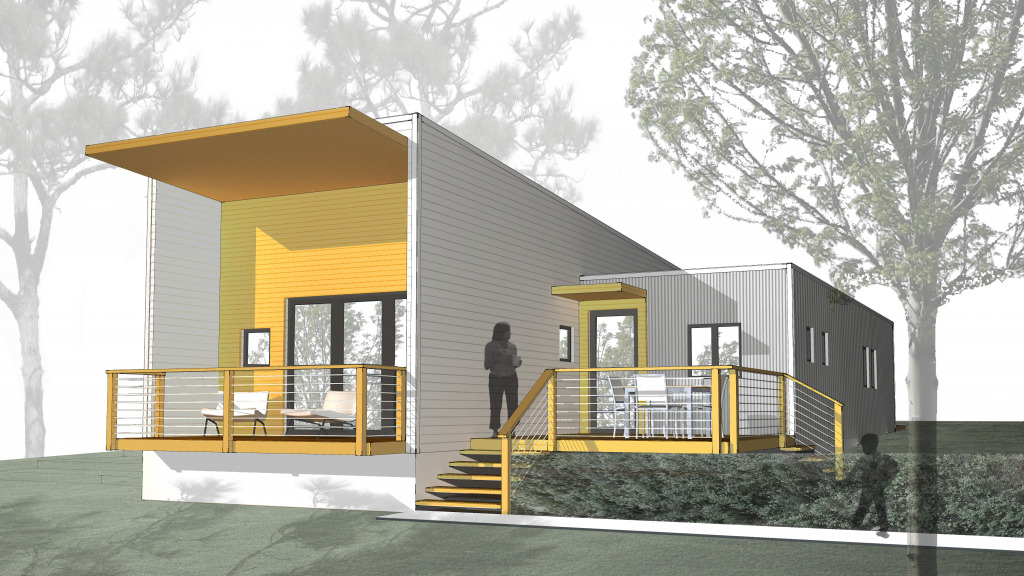
The project included research on recent and emerging trends in affordable housing appropriate to the needs of Wake County, urban design strategies for the Long Acres Community of Southeast Raleigh, and the conceptual design of a range of housing models for scattered sites in the project area. Read more
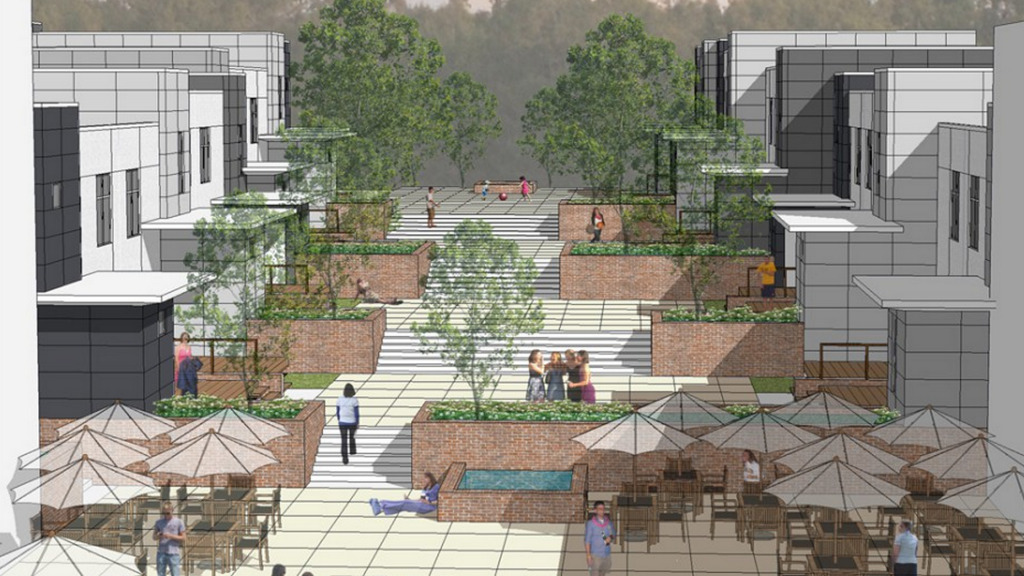
The Stone’s Warehouse Redevelopment Project was a research and design project conducted by faculty and graduate students from the School of Architecture. The project included a number of public presentations and a public exhibition at the Raleigh Urban Design Center. Read more
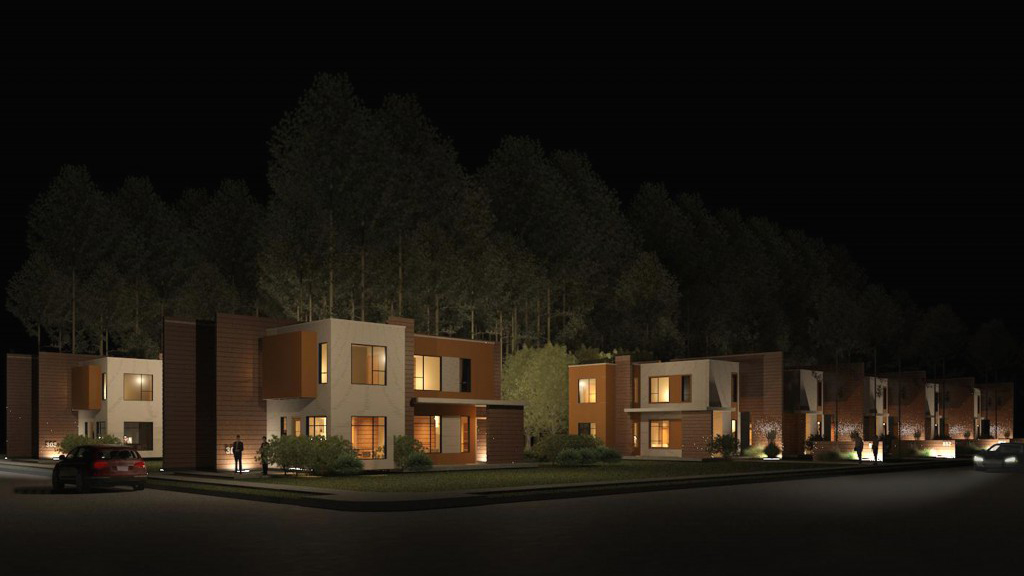
The Wake County Affordable Housing Project was a research and design project conducted by faculty and graduate students from the School of Architecture at NC State University. The project included research on housing needs in Wake County, national and international best practices of affordable housing, and the design of a range of affordable housing models. Read more
The 2009 College of Design Affordable Housing Symposium included presentations by nationally recognized experts in affordable housing and responses by local housing advocates and providers – to explore best practices appropriate to North Carolina. Read more

Latest Posts

A constellation of forces have resulted in the affordable housing crisis US states and cities are facing. These are not new problems but they are ones that have worsened in the past five years. Just as there are many causes of the current housing shortages there are also many responses. These include zoning reform, increased local funding, requirements or incentives to include affordable units, expedited review processes, statewide laws, and simply building more market-rate housing. Responses also include local opposition to equitable and sustainable growth by those who fear new housing will affect the value and character of their communities. What is often missing is the role that design can play in creating housing that is not only affordable but responds to its local and regional contexts and creates homes and communities that support a diversity of residents and raise the human spirit.

This studio will focus on innovative approaches to affordable housing with a particular emphasis on multifamily housing. Issues will include: compact, spatially-rich housing, transit-supportive development, alternative planning and ownership models, sustainable and resilient housing, buildings as energy producers, leading edge fabrication and delivery methods, and new materials and assemblies. The studio will focus on research and design of innovative housing for neighborhoods in Raleigh served by transit or located on the planned Bus Rapid Transit (BRT) line. Research and design projects will include innovative housing precedents and best practices globally, and the comprehensive design of prototypical housing on a range of sites. The studio as a whole will assemble a diverse knowledge base of housing choices that best serve 21st century Raleigh.

Project Team

Thomas Barrie FAIA, Professor of Architecture

Guest Critics

Tanya Allen, Mary-Ann Baldwin, Erika Brandt, Ken Bowers, Amy Bullington, Hattie Gawande, Sara Queen, Michael Stevenson, Jenn Truman, Mitch Silver

Students

Sanchana Bandari, Riya Chaudhary, Caroline Coyle, Wayne Holness, Alap Parikh, Harsha Raju, Noelle Robinson, Brandon Rumley Srinath Sivakumar, Naveen Vanapalli, Corey Wazniak, Anushree Zumkhawala

Research Areas

Delivery Methods: Modular, manufactured housing

Important periods, personages, and innovations in the history of manufactured housing, limitations, advantages, and detriments, contemporary modular housing leaders and systems, future trends.

Ownership Models: Community Land Trusts, Limited Equity Coops, and other ownership models

Histories of cooperative housing in America, models, being employed today, how alternative equity models work, their limitations, advantages and detriments, future trends.

Housing Typologies: missing middle, single-room occupancy, cottage courts, and other housing typologies

Historical housing types being revived, states and cities leading in the creation of more housing choices, best practices in diverse housing, limitations, advantages, and detriments, future trends.

Sustainable Practices: affordable housing and sustainable strategies and systems

Leading edge and best-practices of energy and material technologies, advantages and limitations of adaptive reuse, assessment and certification platforms, future trends.

Planning: Transit Oriented Development and other planning tools that integrate multi-model transit with housing

Definitions and history of Transit Oriented Development, cities and states leading in integrating housing and multi-model transit, best practices of Transit Oriented Development, limitations, advantages, and detriments, future trends.

Zoning Reform: national trends to change zoning laws to allow for more diverse housing

History and goals of zoning reform, outcomes of zoning reform, cities and states leading in allowing more dense and diverse housing, limitations, advantages, and detriments, future trends.

Research Booklet

Design Research

1. Pedestrian Takeover

This project explores how the Plaza West shopping center at a BRT Station on Western Boulevard can transform from an underutilized, car-oriented site to a dense, resilient, human-scaled community of mixed-use and multi-family, affordable housing.

2. Western Boulevard Reimagined: A Transit-Focused Evolution  

 Affordable housing for students and families that focusses on how the Transit Overlay District will create density along Western Boulevard, transforming it into a vibrant gateway that reflects Raleigh’s unique character and energy.

3. Sustainable, Communal, Affordable, and Transit Oriented Development Housing

Creating an energy-producing, community-supportive, affordable housing project on Western Boulevard near the Mission Valley BRT Station that integrates renewable energy, smart infrastructure, and shared resources to foster sustainable, transit-supportive living.

4. The Student Habitat

This project on Avent Ferry Road explores affordability, density, and social engagement through courtyard housing comprising single-room-occupancy, micro-units, and cottage apartments. It applies Missing Middle Housing principles to create a low-rise, high-density community that promotes walkability and community.

5. Live-work to Support Raleigh Entrepreneurs

This project on New Bern Avenue near downtown combines affordable housing, a co-working space, and other services for its historic and growing neighborhood.

6. A Comprehensive Supportive Community for Raleigh

This project aims to provide affordable and transitional housing for previously homeless citizens of Raleigh. It aims to become a self-sustaining village through a range of housing choices, supportive services, urban farming, and shared community spaces.

7. Community-Driven Affordable Development

A project that substantively responds to community engagement and its historical and cultural contexts to transform the city of Raleigh owned former DMV Headquarters on New Bern Avenue. It will include safe and comfortable affordable housing, public gathering spaces, a food market, and local retail options.

8. People Over Parking: TOD-Driven Urban Revival

Retrofitting the Tower Shopping Center at the Trawick Node BRT station to create a walkable, healthy, people-centric urban village centered on affordable housing.

Latest Posts

The “missing” in missing middle housing refers to the fact that zoning laws typically prohibit this type of housing. It includes historic housing types that provide choices between single family houses and large apartment buildings including duplexes, triplexes, quads, townhouses, multiplexes, cottage courts, live work and shop houses, and accessory dwelling units. Missing-middle housing responds to the needs of diverse housing preferences, ages, household sizes, and income levels. It can also create gentle density where it is most needed: in inner city and first ring suburbs.

Missing middle housing does not eliminate single family houses but simply provides a broader range of housing types in residential districts. It can provide affordable housing options to address a worsening national housing crisis. It also supports social stability and diversity and can increase the economic diversity of a community by allowing people to age in place and trade down without moving out. Duplexes, triplexes, quads, and cottage courts provide ownership and equity options –  live-work and shop-house units can support home employment.

Missing middle housing is also essential to a sustainable future. It is well established that buildings and transportation are the most significant contributors of CO2 emissions associated with global climate change. Housing density can mitigate sprawl and support public transportation which, along with reducing household transportation costs, can lessen an area’s carbon footprint. Smaller units and ones with shared party walls use less materials and require less energy to heat and cool, reducing utility costs and carbon emissions.

Missing middle housing is part of a national movement of zoning reform to create “complete communities” that are equitable, affordable, sustainable, and walkable. Proponents argue that reforms are needed to create diverse housing and transit-supportive, sustainable development. However, opponents cite fears of a loss of character and control of their communities. The fiercest battles are often in neighborhoods of single-family houses on large lots close to city centers, services, and public transportation. This has routinely been the case in Raleigh.

This studio focused on the research and design of missing middle housing for inner city neighborhoods in Raleigh. Team work included research on missing middle housing histories, policies, and precedents, and sustainable, equitable development and community capacity building. Students worked individually to comprehensively design prototypical housing on a range of sites. The studio as a whole will assembled a diverse knowledge base of housing choices that best serve 21st century Raleigh. A studio research assistant provided additional research and documentation.

The studio discovered that missing middle housing can capitalize on difficult sites or one’s where only multiple units can provide the sufficient return on investment required by housing developers. The students identified vacant inner-city sites, close to services, schools, and planned or existing public transit and services. The studio collaboratively mapped all potential sites to identify a diversity of sites appropriate to a full range of missing middle housing. The final choices, all of which were in zoning types included in the enabling ordinances, provided specific planning and design challenges. The demonstration projects that follow illustrate the power of design to solve complex planning and design issues and achieve diverse, equitable housing and communities that support transit and local businesses. The results also demonstrated that missing middle housing can also capitalize on sites in critical locations that are missing housing choices necessary for a rapidly growing 21st century city.

Missing Middle Types

Duplexes, triplexes, quads, and townhouses provide options for smaller units with limited maintenance and landscaping tasks that are attractive to the young and old. They can also create gentle density that supports public transportation and local businesses. They can be designed to be compatible with residential communities through form-based codes. They can also provide equity options. For example, a duplex can be owned by one family who rent the second unit to supplement their mortgage or household costs.

Duplexes and ADUs | Jack Dalton
Duplex and ADU | Purvij Munshi

Multiplexes are housing with up to twenty units that can maximize sites too big for other missing middle housing but too small for the ubiquitous multifamily housing wrapped around parking. They can also be the most appropriate housing for small or challenging sites that are in higher density and mixed-use districts.

Multiplex Site Plan | Paige Kanipe

Cottage Courts are multiple units clustered around common green spaces, typically with parking located at the perimeter. They are an increasingly popular means to achieve gentle density, which can support neighborhood retail and services and public transportation. They are also attractive to those who want to live in car free environments. Cottage courts can make use of innovative equity and ownership options to reduce housing costs, such as Community Land Trusts (CLT). A CLT owns the land of the cottage court and residents either buy or rent the units. Because CLTs are always the result of community organizing they often retain their advocacy roles and communitarian framework. They can reduce the price of housing because one only buys or rents the unit itself, not the land. (There is typically a minimal maintenance fee.) Housing affordability of CLTs is maintained through deed restrictions that limit sale prices while owners of a house in a CLT can still build equity.

Cottage Court | Chelsea Leland

Live Work and Shop Houses are another ownership and use model that has enjoyed a long history in US cities and towns. A traditional shop house has a street-level retail space with a living unit above. Contemporary uses include home businesses such as beauty salons, accountants, or local crafts, and also creative spaces for artists and craftsmen. The building is typically owned by one family, who either uses or rents the shop space. They can reintroduce neighborhood retail that was once prevalent and create income for homeowners.

Live Work Units | Shruthi Manivannan

Accessory Dwelling Units (also known as backyard cottages, granny flats, etc.) are a historical housing type that used to be common but beginning in the mid-20th c. increasingly were zoned out and thus in many cities are illegal. They are second, smaller living units typically placed in the backyards of single-family homes. Like other forms of missing middle housing, ADU’s can be a low-impact means of creating housing diversity, particularly in inner city and first ring suburbs. ADU’s can also provide rental income to homeowners to subsidize their mortgage payments and thus making housing they might have been priced out of affordable. ADU’s can also provide stable adaptable housing as family needs and make-up change over time, including: rental income when starting out, housing for a parent or boomerang kid, or a unit for a caregiver allowing the homeowner to age in place. The homeowner can also live in the ADU as empty nesters, and rent the primary unit, allowing them to trade down without moving out.

Panalized ADU | Katherine Brooks

Project Team

Thomas Barrie FAIA: Professor of Architecture

Marina Mustakova: Research Assistant

Guest Critics

Bryan Bell, Danny Garrett, Hattie Gawande, Sara Queen, Michael Stevenson, Jenn Truman, Adam Walters, Patrick Young

Students

CeCe Boudwin, Katherine Brooks, Danytza Cisneros, Jack Dalton, Lakkshita Indrabanu, Emily Lewis, Paige Kanipe, Chelsea Leland, Jennifer MacDonald, Shruthi Manivannan, Lindsay Medbury, Purvij Munshi, Alankrit Ganesh Rajagopalan, Roozbeh Salehi, Veronica Wyatt

Project Reports

Missing Middle Housing Report: Design

Missing Middle Housing Report: Research

Latest Posts

The lack of affordable housing is a national problem. It is particularly acute in underserved communities that have suffered from disinvestment, structural inequality, and environmental impacts due to climate change. The Duffyfield neighborhood in New Bern, NC has a rich history as a vibrant and resilient African-American community that has withstood racial, economic, and land use discrimination. More recently it has suffered years of periodic flooding, disinvestment, and population and housing loss.

The Affordable and Resilient Housing for New Bern Project focused on the design of affordable and resilient housing prototypes for Duffyfield. During Spring Semester 2022 eleven students in an advanced architectural design studio produced research and visualized housing solutions for rebuilding housing in the community. Throughout the semester, students produced scholarly and design research aimed at solutions to the housing problems faced by the Duffyfield community.

The research included affordable and resilient housing precedents, equitable, sustainable and resilient design and development practices, leading-edge construction materials, methods, and delivery systems, and emerging concepts of meaningful placemaking. The project research assistant also researched and documented pertinent demographic, historical, environmental, housing and transportation contexts, current planning documents, zoning and building codes, building and site inventories, and other areas germane to the project. Substantive community development studies produced by the City of New Bern informed the project’s focus, including the Greater Five Points Transformation Plan (2016) and Redevelopment Plan (2020) informed the project research and design. Videos of the research outcomes can be viewed below.

The project process included presentations to specialists in affordable and resilient housing and city partners, and design workshops with visiting experts. It did not include community engagement, which had been successfully accomplished in the Greater Five Points study, but was a research and design project focused on affordable and resilient housing prototypes. In particular, the project focused on the design of single family housing, but also included “missing middle” housing of duplexes, triplexes, quads, townhomes and accessory dwelling units.

Demonstration projects on scattered sites in three focus areas identified by the city addressed site-responsive, accessible, affordable, sustainable, and resilient housing, including construction materials, assembly, and delivery systems and strategies for flood-prone areas. Additionally, each project included local placemaking that included streetscapes of sidewalks, on-street parking, lighting and, in some cases, community parks and greenspaces.

The goal is to provide the city of New Bern best practices, strategies and housing prototypes that will productively inform their goals of revitalizing the physical community of Duffyfield, including providing affordable and resilient housing that allows existing residents to stay in their community and attracting others to move there.

Project Conducted Spring Semester 2022

Faculty

Thomas Barrie FAIA, Director: Affordable Housing and Sustainable Communities Initiative

Project Partners

  • Frank Lopez, Extension Director, NC Sea Grant & Water Resources Research Institute
  • Nadia Abdul-Hadi, Planner, City of New Bern
  • Matthew Schelly, Interim Director of Development Services, New Bern, NC
  • Alice Wilson, GIS Manager, City of New Bern

Visiting Experts

  • David Maurer AIA, Principal, Maurer Architecture/TightLines Designs
  • Byron Mouton, Director of Urbanbuild, Lacey Senior Professor of Practice, Tulane University
  • David Perkes, Professor and Director, Mississippi State Gulf Coast Community Design Center

Project Consultants

  • Andy Fox FASLA, PLA, Professor of Landscape Architecture and Environmental Planning, Co-Director, Coastal Dynamics Design Lab
  • David Hill FAIA, Professor and Chair, School of Architecture, Co-Director, Coastal Dynamics Design Lab
  • Gavin Smith Ph.D., AICP, Professor of Landscape Architecture and Environmental Planning

Research Assistant

Gayatri Ganesh (M.Arch.)

Students

  • Clayton Johnson
  • Mark Storch
  • Harish Palani
  • Tenecia Jones
  • Golsa Motevalli
  • Brianna Creviston
  • Hima Thaker
  • Erin Kennedy
  • Gayatri Ganesh
  • Mairead Maley
  • Brailey Lee

Project Report

Project Research

Project Introduction
Community Capacity Building and Placemaking
Mark Storch and Brailey Lee
Equity, Sustainability and Resiliency | Housing + Development Practices
Erin Kennedy, Harish Palani and Meg Maley
Affordable and Resilient Housing
Tenecia Jones, Gayatri Ganesh, Brianna Creviston and Golsa Motevalli
Leading Edge Construction Methods and Materials
Clayton Johnson and Hima Thaker

Selected Student Projects

Images

Latest Posts

The lack of affordable housing is a national problem. There is also a significant need for affordable, adaptable, and alternative housing options for university students. In the past decade, or so, there has been an emphasis on boutique university housing that includes a range of luxury amenities. During this same time, housing and living costs have risen while financial aid funding has remained flat. Some universities have responded to the growing student housing crisis, including NC State.

In 2017, the NC State Food and Housing Security Initiative was created by faculty, students and staff to research and propose solutions to student housing and food insecurity. A survey conducted in 2017 revealed that almost 10% of students experienced periods of homelessness in a twelve-month period. Homelessness can be short-term or chronic and can include doubling up, staying in shelters, or sleeping in cars and in unsheltered locations. The causes of homelessness are complex but in most cases, are the result of housing costs exceeding what individuals and families can afford. When one is housing cost-burdened, defined as paying over 30% of one’s income on housing, a medical emergency, job loss, parents separating, or other unexpected emergencies, can mean missed rent payments and eviction proceedings. As more low-wealth students enter the university, there will be an increasing need for affordable housing options. Supportive services to assist students in responding to challenges, navigating resources, and supporting their educational goals will also be needed.

The Affordable + Supportive Student Housing for NC State project is an outcome of the Food and Housing Security Initiative’s findings and recommendations. During the fall semester of 2019, eleven advanced architecture students conducted research on innovative university and multifamily housing and designed demonstration projects for two university-owned campus sites, which include a range of unit types, community spaces, and supportive services. The studio envisioned approaches to student housing that were not only about filling real needs but also creating leading-edge, innovative, and timely student housing.

Project Team

  • Project Director: Thomas Barrie AIA, DPACSA, Professor of Architecture
  • Studio Critic: David Hill FAIA, Head, School of Architecture
  • Food and Housing Security Initiative Liaison: Mary Haskett, Professor of Psychology, CHASS
  • University Architect Liaison: Tom Skoiniki RLA, University Landscape Architect

Students

Maan Alzamel, Keval Amin, Joshua Basham, Ryan Cooper, Caroline Cox, Daniel Garrett, P.K. Hensel, Pat Meiburg, Caroline Towns, Jacci Valino, Tori Vick

Project Outcomes Poster

Affordable Housing for NC State

Press

Food and Housing Security Initiative Documents

Selected Projects

Research

Student teams researched examples of innovative university housing, affordable housing, and micro-housing. Their findings were compiled in videos and presentation boards.

Research videos

Research Presentation Boards

Images

Latest Posts

Veteran homelessness is a state and national problem. The North Carolina Coalition to End Homelessness has a particular focus on ending veteran homelessness in North Carolina. One contemporary solution to veteran homelessness is micro-house villages. Micro-houses are small, complete, single dwellings that range from 150 – 400 square feet. Micro-house villages are groupings of micro houses on a single property that allow residents to live independently while benefitting from supportive services.

The Micro Housing for Homeless + Disabled Veterans was a research and design project conducted by the School of Architecture, NC State University and sponsored by the North Carolina Coalition to End Homelessness. Faculty and graduate students produced research on veteran homelessness and support services, conducted research on precedents and best practices of micro-housing, micro-house villages, supportive housing, and manufactured housing, engaged with various constituencies, and designed prototypical micro-house villages for a range of sites in the Triangle area. The program for the project included housing units, a supportive services building, and associated landscape areas, and incorporated accessibility and other special needs of homeless and disabled veterans. National experts on micro-house villages and local affordable housing providers and advocates participated in the project.

Faculty

  • Thomas Barrie, AIA, Professor of Architecture
  • David Hill, AIA, Professor of Architecture, Chair: School of Architecture

Project Sponsor

Terry Allebaugh, North Carolina Coalition to End Homelessness

Project Research Assistant

Alyssa Dohler, Masters of Architecture student

Visiting Critics

  • Davin Hong, Living Design Lab, Baltimore , MD
  • Omar Hakeem, Design Director: bcWorkshop, Dallas, TX

Advisory Committee

  • Sarah Desmarais, Associate Professor of Psychology, CHASS
  • Andy Fox, Associate Professor of Landscape Architecture
  • David Harris, Wake County Human Services Housing Division
  • Mary Haskett, Professor of Psychology, CHASS
  • David Maurer, Maurer Architecture
  • Lewis Sadler, Sadler Construction/Wake County Home Builders Association)
  • Jeff Smith, Military and Veterans Programs Liaison, NC Dept. of Health and Human Services
  • Abbie Szymanski, Executive Director, Partnership to End Homelessness

Students

Austin Corriher, Ross Davidson, Alyssa Dohler, Kal Fadem, Ryan Kilgarron, Katie O’Campo, Justin McNair, Elenor Methuen, Amelia Murphy, Scott Needham, Nicole Simeonsson

Awards

Watch the video here

Read the report here

Micro Housing for Homeless and Disabled Veterans

Research

Selected Projects

Images

Latest Posts

HOMES FOR ARTISTS | Affordable Housing to Support Creative Communities in Raleigh

As Raleigh and the Triangle Area continue to grow so do its housing needs. Raleigh is attracting new residents who are drawn to its cultural amenities and its entrepreneurial spirit and are looking for ways to live affordably in central city locations. New or revived housing models are growing in popularity, which reflects changing demographics and housing attitudes and needs. But Raleigh’s success also comes with challenges. Many are affected by rising housing costs including artists who depend on affordable housing near city centers. The Raleigh Arts Plan (June 2016) calls for enhancing the “vitality of Raleigh’s neighborhoods and districts through thoughtful placemaking.” Affordable housing is central to this goal.

The Homes for Artists Project was a research and design project conducted by the School of Architecture at NC State University, in partnership with the Visual Art Exchange, to investigate the housing needs of Raleigh’s artists and creative communities. Graduate students researched national best practices, and designed and envisioned affordable artist housing for local arts organizations.

The Homes for Artists Project was supported by the VAE FLIGHT Fund and the AIA North Carolina Center for Architecture and Design.

Project dates

August 15, 2016 – February 1, 2016

Project Coordinator

Thomas Barrie, Professor of Architecture, NC State University tom_barrie@ncsu.edu

Project Partners

Steering Committee

  • Thomas Barrie, Professor, NC State University
  • Pam Blondin, Deco Raleigh
  • Emma Blondin, student, NC State
  • Amy Bullington, Clearscapes
  • Brandon Cordray, Executive Director, Visual Artist Exchange
  • Bill King, Senior Director: Economic Development, Downtown Raleigh Alliance
  • Mary Poole, President and CEO, Artspace
  • Sarah Powers, Executive Director, Office of Raleigh Arts
  • Jon Zellweger, Chair, Board of Directors, Visual Artist Exchange

Design Partners

  • Artspace
  • Flanders Gallery
  • Loden Properties
  • Pinecone
  • Visual Art Exchange

Supporting Materials

Images

Latest Posts

Advanced Design Studio | Fall 2014

The Mordecai Backyard Cottage Project was a research and design project conducted by the School of Architecture at NC State University. Faculty and students worked collaboratively with residents of the Mordecai community to envision a range of possibilities for backyard cottages and conducted research on national precedents, current city codes and potential benefits and impacts. The project concluded with an exhibition at the North Carolina Housing Coalition annual conference and a presentation at the AIA North Carolina Center for Architecture and Design.

Background

Backyard cottages are a historical housing type currently enjoying a resurgence of interest in North America. Also called accessory dwelling units or granny flats, they are second, smaller living units typically placed in the backyards of single-family homes. Often associated with the tiny houses movement, backyard cottages offer alternatives to predominant housing models and practices. They can provide adaptability, as family needs change over time, affordability for homeowners and their tenants, and sustainability due to their small square-foot and carbon footprints and capacity to support public transit. Cities such as Asheville, NC, Portland Oregon and Seattle Washington have adopted backyard cottages into their development ordinances. The City of Raleigh’s Unified Development Ordinance (UDO) originally provided for backyard cottages but this provision was removed due to concerns about its potential impacts.

Featured research and design projects by

Taylor Belge, Suzanne Cash, Paul Drake, Tenay Gonul, Kyle Jones, Faustine Pastor, Jason Patterson, Matt Teti, Dylan Thomson, Michael Wengenroth

Research documents

Images

Latest Posts

Advanced Design Studio | Spring 2014

This studio researched, investigated and designed multifamily affordable housing in the context of cultural, economic and environmental sustainability. The research included precedents of contemporary affordable housing, and theoretical readings focused on the cultural contexts of housing and sustainable and social practices. Exercises and projects addressed a range of design issues and emphasized comprehensive design at a full-range of scales – formally, spatially, materially, and experientially. The studio’s major project was the design of multifamily affordable housing on a number of sites in the central business district of Raleigh.

Background

Well-designed affordable housing is a perennial local, state, and national need, with growing shortages of availability due to persistent income disparity and shifts in funding and subsidy programs. Nationally, the availability of affordable housing dramatically worsened during the Great Recession that began in 2007. Even though the nation’s economy has recovered during the past few years and the poverty rate has fallen, affordable housing remains a national problem. Nationally the stock of low-cost housing continues to shrink while at the same time median per capita income has fallen to levels of 15 – 30 years ago. In North Carolina, there is currently a shortfall of over 260,000 affordable units. Meanwhile, nationally the number of households that are housing cost-burdened has risen, with 37% devoting more than 30% of their income to housing. Of these, almost 18% pay 50% of their incomes on housing, which leaves much less to spend on other necessities such as medical care, food and transportation. During this time the federal programs that support the creation of affordable housing have been drastically cut. The federal Housing Choice Voucher Program has seen modest increases but at a time when rental rates have reached unprecedented highs. Homeownership has dropped while house prices and mortgage interest rates have fallen, a paradox attributable to more restrictive lending policies that disproportionately affect low-income families. All of this is in a national climate of budget reductions that too often reduce or eliminate economic support for those who need it the most. Any measure of a culture depends on how well it supports the full spectrum of its members. In this context, the provision of affordable housing is an ethical issue and, as such, presents one of the more significant design opportunities, challenges and responsibilities for the architectural profession. Due to the fact that the affordability of housing is significantly determined by federal and state financing and rental assistance programs, it poses the question of what role can and does design play? As it turns out, design innovation and excellence can have a considerable impact on the cost and maintenance of housing. In the past decade, in particular, there has been a renewed interest and commitment in the profession to apply leading-edge design considerations to affordable housing. Post-Katrina efforts such as The Make It Right Foundation program in the 9th Ward of New Orleans have gained deserved national recognition, but also reflect a national preoccupation with the single-family house. And yet, multifamily housing has the capacity to substantially address affordability criteria in a holistic manner that the single-family house cannot, and consequently deserves much more design attention. For example, housing that is located in areas that have the density to support public transportation and services can reduce significant household transportation costs. Also, sustainability factors are more effectively accomplished by multifamily housing in a manner that reduces energy costs (which can amount to over 18% of housing costs) while reducing residential carbon emissions that constitute over 20% of total carbon emissions. Compact unit plans and building organizations, as well as innovative materials and assemblies, can significantly reduce construction and maintenance costs, without sacrificing the quality, adaptability and sense of place that good design creates. These and many other design factors constitute an interrelated design challenge for the creation of culturally, economically and ecologically sustainable affordable housing.

Featured projects by:

Jeremy Allford, Karen Creech, David Gallo, David Ji, Andrew McCall, Ntchwaidumela Thomas, Ryan Whitley

Presentation Boards

Images

Latest Posts

AIA NC Center for Architecture + Design | Tuesday, April 1, 2014 | 4.00 – 6.00pm

This interactive presentation and panel discussion focused on the full spectrum of issues that constitute affordability (including but going beyond subsidy programs)  – location, transportation and services, land acquisition, financing, energy and sustainability, materials and assemblies, etc. – with a specific focus on the needs, challenges and opportunities of the Triangle area. Michael Pyatok, FAIA, Principal, Pyatok Architects, Oakland, CA, presented his perspectives on the most effective means to create and assess affordable housing in a lecture entitled Cozy by Design. A panel of area affordable housing architects, providers and advocates then discussed the specific contexts of the Triangle area with the goal of identifying the full range of issues regarding affordability and the value of design to address them.

Panelists

  • Moderator Thomas Barrie, AIA, Professor, School of Architecture
  • Michael Pyatok, FAIA, Principal, Pyatok Architects Inc.
  • Natalie Britt, VP for Rental Development, DHIC Inc.
  • Satana Deberry, Executive Director, North Carolina Housing Coalition
  • David Maurer, AIA, Principal, Maurer Architecture/Tightlines Designs
  • Grant Meacci, PLA, Planning and Design Manager, Raleigh Urban Design Center
  • Shawn McNamara, AICP, Program Manager, Strategic Planning Division, Raleigh Community Development Department
  • Michael Pyatok, FAIA

Presentation

Presentation and Panel Discussion

Latest Posts

The Person Street Project was a research and design project conducted by faculty and senior students from the School of Architecture at NC State University fall semester 2011. The semester-long project focused on the Person Street commercial area near downtown Raleigh and adjacent to the Oakwood and Mordecai residential and historic districts. The studio incorporated contemporary urban design issues with a particular emphasis on mixed-use, pedestrian-scaled urban villages. The project included research on contemporary urbanism, mixed-use development, and existing city studies and development plans; the urban and streetscape design for the Person Street neighborhood; a market survey of the project area; and the design of a mixed-use, housing project for the development sites at the north end of Person Street. The project was conducted at the College of Design’s Downtown Design Studio and included a number of public presentations. The Community Partners included the Person Street Partnership and the Raleigh Urban Design Center. Project funding was provided by the Person Street Partnership and the Society for the Preservation of Historic Oakwood. The project concluded with an exhibition at an empty storefront space on Person Street.

Images

(from top to bottom, left to right):

1) No No Martinez, 2) Chris Wells, 3 & 4) Community Exhibition, 5) Daniel Miguez, 6) Green Urbanism Team Proposal, 7) Group Shot, 8) No No Martinez, 9) Placemaking Team Proposal, 10) Streetscape Team Proposal

Latest Posts

The Habitat for Humanity of Wake County Affordable Housing Project was a research and design project conducted by faculty and graduate students from the School of Architecture at NC State University. The project included research on recent and emerging trends in affordable housing appropriate to the needs of Wake County, urban design strategies for the Long Acres Community of Southeast Raleigh, and the conceptual design of a range of housing models for scattered sites in the project area. Issues addressed included: the “tipping points” of community redevelopment; effective models of sustained community engagement; cultural and economic sustainability; the meaning and significance of “home;” and the interrelationship of sustainable development, multi-modal transit options, building energy performance, and affordability. Additionally, local and national leaders in affordable housing design participated in the project including David Maurer, AIA, Principal, Tightlines and Maurer Architecture, Raleigh, NC; Kay Bea Jones, Professor of Architecture, School of Architecture, Ohio State University; and Damon Leverett, AIA, Lead Designer, EYP Architecture and Engineering, Washington, DC. The project was funded by a College of Design Faculty Development Grant ($5,000). The project outcomes were documented in a publication and supplied to Habitat for Humanity of Wake County to assist their efforts in providing affordable housing in Wake County.

Publication PDF

Images

(from left to right, top to bottom):

1) Jeff Wilkins, 2) Megan Toma, 3) Eric Goldman, 4 & 5) Eric Goldman, 6) Habitat Wake County group, 7) James Benson, 8) Jeff Wilkins, 9 & 10) Ryan Wallace

Latest Posts

The Stone’s Warehouse Redevelopment Project was a research and design project conducted by faculty and graduate students from the School of Architecture. Nationally recognized experts in housing participated in the project including Roberta Feldman, Professor of Architecture, The University of Illinois Chicago and Michael Fifield, Professor of Architecture, the University of Oregon. The project included a number of public presentations and a public exhibition at the Raleigh Urban Design Center. The project was funded by the City of Raleigh Department of City Planning ($20,000). The results were documented and provided to the city to assist their revitalization efforts in Southeast Raleigh.

Publication PDF

Images (from top to bottom, left to right):

1) Tim Kaiser, 2) Perrin Walker, 3) Dan Stanislaw 4) Katharine Ball, 5) M. Fifield Community Presentation, 6) midterm review, 7) Mike Spangenberg, 8) Stones group, 9) Tim Kiser, 10) Urban Analysis Group Project

Latest Posts

The Wake County Affordable Housing Project was a research and design project conducted by faculty and graduate students from the School of Architecture at NC State University. The project included research on housing needs in Wake County, national and international best practices of affordable housing, and the design of a range of affordable housing models. Issues such as environmental, social and cultural sustainability were intrinsic to the project. Mixed-use, mixed-income and transit-oriented development were also incorporated. The project included design workshops conducted at designated pilot study towns including Cary, Wake Forest and Wendell. The project was funded by the Wake County Department of Human Services Housing and Community Revitalization Division ($7,000).

The project outcomes were documented in a publication and supplied to the Wake County Human Services Housing and Community Revitalization Division to assist their efforts in providing affordable housing in Wake County.

Publication PDF

 Images (from top to bottom):

1 & 2) Eric Brunk, 3) Geoffrey Diamond, 4) Eric Brunk, 5) Maria Papiez, 6) Geoffrey Diamond, 7) studio group, 8) Cary workshop

Latest Posts

Presented by: The College of Design Office of Research, Extension and Engagement, in conjunction with the College of Design Urban Design Forum, February 20 2008

The 2009 College of Design Affordable Housing Symposium included presentations by nationally recognized experts in affordable housing and responses by local housing advocates and providers – to explore best practices appropriate to North Carolina. Its target audience was local practitioners, affordable housing financers and providers, city officials and students and it was attended by over 70 participants. The conference organizers were Thomas Barrie, AIA: Affordable Housing + Sustainable Communities Initiative, Georgia Bizios, FAIA: Home Environments Design Initiative, and Celen Pasalar, Extension Specialist: Director of the College of Design’s Downtown Design Studio. The symposium was funded by the NC State Office of Research, Extension and Economic Development, the City of Raleigh Community Development Department, and the City of Raleigh Department of City Planning. ($7,000).

Thomas Barrie, Georgia Bizios, Celen Pasalar | Introduction

David Baker, part 1

David Baker, part 2

Michael Pyatok, part 1

Michael Pyatok, part 2
Michael Pyatok, part 3
Evan Covington Chavez | Self Help
Michelle Grant | City of Raleigh Community Development Department
Chris Estes | North Carolina Housing Coalition
Panel, part 1
Panel, part 2
Panel, part 3